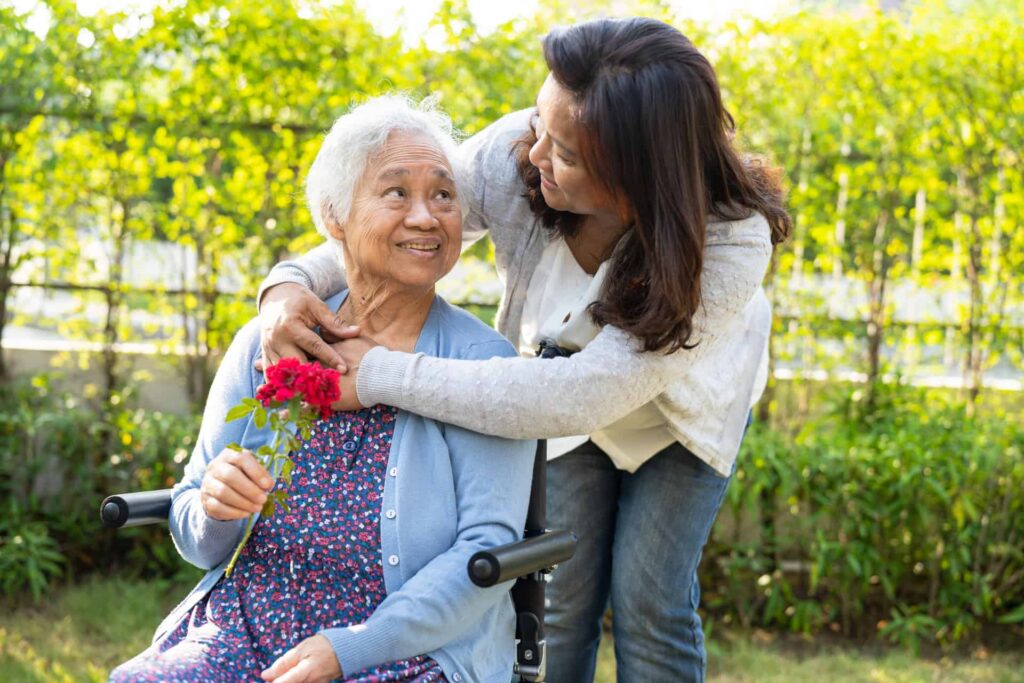
Caregiving courses teach you how to turn a willingness to help into informed, respectful support. First Class Caregiving connects practical learning with an understanding of people’s needs. The most valuable lesson is learning to help someone through daily life while protecting their dignity, choices, and independence.
Imagine helping someone prepare for the day. There’s washing, dressing, breakfast, and perhaps a move from bed to a chair. Written down, it looks like a straightforward list. For the person receiving care, however, each step may involve embarrassment, frustration, uncertainty, or a strong wish to do things for themselves.
That’s where caregiving becomes more than a collection of tasks. How you offer help matters alongside what you do.
For South Africans considering a career in care, or supporting a relative at home, understanding this distinction is a useful starting point. Training gives structure to your good intentions and helps you recognise the responsibility that comes with being trusted in someone else’s space.
Learning to See the Person Behind the Daily Routine
We were founded in 1996 by Karin Westphal, and our approach to education brings practical understanding together with compassion and professional responsibility.
An important question runs through caregiving: what does this particular person need from me today?
The answer won’t always be the same. Someone may want company while eating, privacy while getting dressed, or enough time to finish a sentence without being interrupted. A routine that suits one person may feel uncomfortable to another.
Consider two ways of approaching breakfast. In one, the caregiver decides what will happen and works through the tasks as quickly as possible. In the other, the caregiver includes the person in the conversation and asks what they’d prefer within the agreed routine.
Both approaches may result in breakfast being served. Only one makes participation part of the process.
This is the perspective worth bringing to your studies: every practical skill affects a person who has preferences, relationships, and a life beyond their care needs.
What Our Caregiving Courses Cover
Our online caregiving curriculum introduces responsibilities, home safety, communication, care notes, hygiene, infection awareness, personal protective equipment, nutrition, feeding, medication reminders, mobility, and support for bedridden clients. It also addresses confidentiality, abuse, and neglect. Online learning has all the practical learning on videos; no need to learn practicals anywhere else – it’s right there on the course content.
Our in-class programme develops practical skills through supervised learning. Its curriculum includes bathing, toileting, oral care, feeding assistance, transfers, walking aids, fall prevention, positioning, and activities of daily living. Theory also explores physical, emotional, and social needs, hydration, nutrition, and documentation.
These subjects fit together. A meal, for example, can involve practical assistance, communication, respect for preferences, and recording relevant information. Learning the topics separately helps you understand them; thinking about their connections helps you appreciate the whole responsibility.
Personal Care and the Meaning of Dignity
Helping with intimate daily routines calls for tact. It can be easy to focus on finishing a task and overlook how exposed or dependent someone may feel.
A useful question for learners is: “How would I want someone to speak to me in this situation?”
That question changes the language you choose. It encourages you to explain, listen, and give the person space to respond. It also challenges the assumption that needing help means having no say.
Picture someone who takes longer to choose their clothes. Choosing for them might save a few minutes, but it also removes a small decision from their day. Where circumstances allow, giving that time back can be a meaningful expression of respect.
Movement and the Importance of Practical Instruction
Helping someone move isn’t a skill to judge by how effortless it looks when an experienced person demonstrates it. The visible movement is only part of the task; preparation, communication, equipment, and the person’s individual needs also matter.
When watching or practising a demonstration, ask questions about the reasoning behind it. What has been checked first? How is the person involved? When would more assistance be needed?
Treat uncertainty as something to discuss with an instructor. Being willing to ask for guidance is a stronger professional habit than pretending to understand a technique.
Meals as an Opportunity to Pay Attention
Preparing or assisting with a meal can become so familiar that it feels automatic. For a learner, it’s a helpful example of why caregiving requires attention as well as routine.
Was the person included in the conversation? Did they have time to participate? Is there something about the experience that should be communicated through the agreed care arrangements?
The lesson is to avoid measuring success only by whether a task has been ticked off. Think about the experience of the person receiving support, too.
Hygiene as a Consistent Habit
Our training includes hygiene and infection-related topics, rather than treating cleanliness as an optional extra. The classroom programme covers hand hygiene and putting on and removing protective equipment.
For students, the broader learning challenge is consistency. A procedure you understand in a lesson still needs your attention when the day feels busy.
Build the habit of asking why a step matters, rather than simply trying to memorise a sequence. Understanding the purpose makes learning more meaningful and gives you better questions to raise during training.
Communication and Care Notes: Making Your Work Understandable
A caregiver may know exactly what happened during a shift, but the next person involved won’t automatically share that knowledge.
This makes communication a practical skill. Clear information helps others understand what you did, what the person said, and what needs follow-up through the appropriate channels.
As a writing exercise, compare “the client was difficult” with a factual description of what happened. The first phrase labels the person. The second asks you to separate an observation from your interpretation.
That distinction is valuable because assumptions can slip into everyday language unnoticed. A person who declined an activity may have a reason you haven’t understood. Describing events carefully leaves room for that explanation.
South Africa’s multilingual households add another consideration. Sharing a language doesn’t always mean sharing the same understanding of a phrase. Speak plainly, allow time for questions, and avoid treating a quick nod as proof that everything is clear.
Professionalism Includes Knowing Your Boundaries
Our online caregiving course addresses the responsibilities and ethical concerns that accompany care, including privacy and the treatment of vulnerable people.
These topics deserve as much attention as the visible practical work. Being welcomed into someone’s home doesn’t make their personal information yours to share. Being asked to help doesn’t remove the need to understand the agreed role.
Before accepting a responsibility, be clear about what is expected, what you have been trained to do, and who provides guidance. If an instruction is unclear, raise it with the appropriate supervisor or care professional.
For a learner, this is an important change in perspective. Confidence doesn’t mean always having an answer. It means being honest about what you understand and taking the right steps when you need support.
Online or In-Class: How Will You Learn Best?
We offer both online and classroom learning, giving students different ways to access caregiving education.
Online study includes practical video demonstrations that you can pause and revisit. Classroom learning provides face-to-face instruction and supervised practical experience.
These are different learning experiences. Watching a demonstration helps you study a process; practising under supervision gives you an opportunity to receive feedback on your own performance.
When choosing, consider your circumstances honestly. If you’re working, raising children, or living far from Johannesburg, flexibility may be essential. If you learn best by asking questions as you practise, classroom instruction may suit you better.
For online study, plan for the practical realities of South African student life: data costs, access to a suitable device, and a regular place and time to concentrate. A flexible timetable still benefits from a routine.
Ask us about the practical arrangements and assessment requirements for your chosen course before enrolling. Choose the format you can engage with properly, rather than the one that simply sounds quickest.
Building Your Knowledge in Elderly and Dementia Care
General caregiving provides a starting point, while more focused learning can help you explore particular care needs.
Our online elderly care course considers everyday support for older adults, including movement, hygiene, feeding, positioning, and communication. It also includes a comprehensive section on bedridden clients.
The central idea is individuality. Age alone doesn’t tell you how much assistance someone wants or needs. Thoughtful support makes room for what the person can still do and how they prefer to do it.
Our separate online dementia care course explores dementia, its effects on thinking and interaction, and the need for a patient, informed approach. It places emphasis on empathy, consistency, emotional control, and dignity.
For someone interested in this area, it’s worth reflecting on your own expectations. How do you respond when a conversation takes longer than you anticipated? Can you stay attentive when you need to repeat yourself? These questions make the human demands of care more concrete.
We also offer separate CPR and first aid training. Speak to us about the course combination that fits your goals and which components are included in your chosen programme.
Getting More Value From Your Training
A certificate records an achievement, but your approach to studying shapes what you take away from the experience.
Try these habits as you learn:
- Keep a question list. Write down anything you can’t explain confidently and seek clarification.
- Connect each topic to the person receiving care. Ask how it affects their comfort, choices, or experience.
- Explain concepts in your own words. This can reveal gaps that memorising a paragraph may hide.
- Welcome practical feedback. A correction during training is an opportunity to improve.
- Reflect on your communication. Notice whether your words invite participation or make decisions for someone else.
You don’t need to arrive knowing everything. You do need a willingness to learn carefully and take feedback seriously.
FAQs About Caregiving Courses
Who can enrol in our caregiving course?
Applicants must be at least 18 and able to read, write, and speak English. Contact us to check any additional requirements for your selected programme.
Can I study while working?
Yes. Our online courses allow self-paced study, making them an option for people balancing employment and other responsibilities.
How long is the in-class caregiving course?
Our in-class course is listed as one month. Confirm the current timetable and completion arrangements with us before making plans.
How are online practical skills taught?
Through video demonstrations that you can review as you study. Ask us about assessment and any additional practical preparation relevant to your goals.
Do caregiving courses guarantee a job?
No. We offer placement programme options and employment-related information, but jobs depend on vacancies, employer requirements, and your application. Training doesn’t guarantee overseas employment or permission to work abroad.
Can experienced caregivers obtain a certificate without completing the course?
To receive our certificate, you need to complete our course and assessment process, even if you already have caregiving experience.
What does enrolment cost?
Contact us for current fees, certificate charges, and payment arrangements for your chosen course.
Start Building Your Caregiving Skills With First Class Caregiving
If you’re ready to turn your interest in helping others into structured learning, let’s discuss your next step. Whether you’re preparing for care work or looking to support a loved one more thoughtfully, we can help you explore our caregiving courses and choose a suitable starting point.
Tell us where you’re based, what you hope to achieve, and whether you prefer online or in-class learning. Contact us today to confirm course details and begin your enrolment.